
In many Chicago homes, professional chimney sweeping can significantly improve fireplace performance when smoke is caused by creosote, soot, debris, or a restricted flue. A clean, properly functioning chimney gives smoke a clearer path outdoors, while inspection can identify chimney airflow issues, drafting problems, and other conditions that may cause a smoky fireplace. The relationship between chimney maintenance and smoke is an important part of maintaining a safer, more comfortable fireplace.
How Chimney Sweeping Can Reduce Smoke Problems
A professional chimney sweep removes accumulated creosote, soot, leaves, animal nesting material, and other chimney blockage that can interfere with the movement of combustion gases. When deposits or debris narrow the flue, smoke may move slowly or spill back into the living area instead of exiting efficiently. Routine chimney sweep services can therefore address one of the most common physical causes of poor fireplace performance.
Why Creosote Can Create Fireplace Smoke
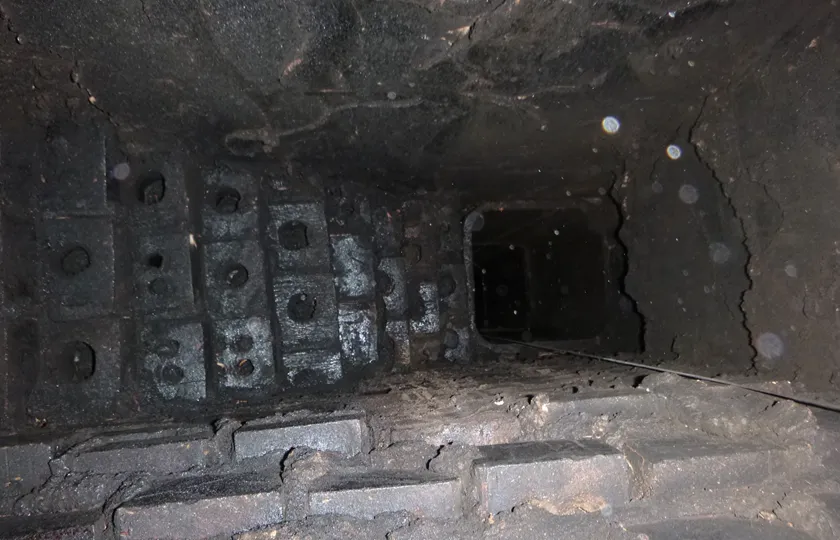
Creosote forms when wood smoke cools and condenses inside the chimney, leaving a combustible residue on the flue walls. Heavy buildup can restrict airflow and contribute to drafting problems, particularly when combined with an already marginal chimney design. Removing creosote through professional cleaning helps restore usable flue space and supports more efficient smoke movement.
- Restricted Flue Space: Heavy deposits can reduce the available passage for smoke and combustion gases.
- Poor Draft: Buildup can contribute to conditions that make natural chimney draft less effective.
- Combustible Deposits: Excessive creosote increases the potential fire hazard inside the chimney.
- Unpleasant Odors: Creosote and soot can contribute to persistent fireplace smells.
Chimney Airflow Issues That Sweeping May Not Fix
Cleaning is valuable, but not every smoky fireplace is caused by dirt. Chimney airflow issues can also result from an improperly sized flue, a damaged chimney liner, inadequate chimney height, negative air pressure, or competing exhaust fans inside the home. If sweeping does not solve the problem, a professional evaluation can help determine whether the underlying issue involves ventilation or chimney design.
How Drafting Problems Affect a Smoky Fireplace
A fireplace depends on chimney draft to pull combustion gases upward and out of the home. Cold outdoor temperatures, wind conditions, insufficient chimney height, or negative pressure indoors can weaken that upward flow. You may notice smoke entering the room when starting a fire, opening the fireplace door, or using exhaust fans that alter indoor air pressure.
How to Reduce Smoke From Chimney Problems
A professional inspection and cleaning can determine whether a dirty flue, chimney blockage, airflow restriction, or structural concern is contributing to the symptoms.
- Schedule Regular Sweeping: Remove creosote and soot before deposits become excessive.
- Burn Properly Seasoned Firewood: Dry wood generally produces more efficient combustion than freshly cut wood.
- Check Indoor Air Pressure: Exhaust fans and tightly sealed homes can sometimes affect chimney draft.
- Inspect the Flue: Look for blockage, damage, liner concerns, or other conditions affecting airflow.
- Address Persistent Smoke: Repeated smoke spillage should be professionally evaluated rather than ignored.
Fireplace Smoke Solutions for Chicago Homes
Effective fireplace smoke solutions depend on the reason smoke is entering the room. Sweeping is often the appropriate first step when deposits are present, while a more detailed chimney inspection may be necessary when the fireplace remains smoky after cleaning. In Chicago and Villa Park, seasonal weather changes can also influence chimney draft, making proper maintenance particularly important before periods of frequent fireplace use.
When a Chimney Blockage Requires Immediate Attention
A chimney blockage should never be treated as a minor inconvenience. Leaves, bird nests, animal debris, fallen masonry, or excessive creosote can obstruct the flue and prevent combustion gases from escaping properly. If smoke repeatedly backs up into the home, stop using the fireplace until the chimney has been evaluated by a qualified professional.
Comparing Sweeping With Other Smoke Solutions
Chimney sweeping is most effective when the problem is caused by contamination or buildup, while ventilation corrections may be needed for pressure-related drafting problems. Structural repairs may be necessary when a damaged liner, deteriorated masonry, or improper chimney configuration is responsible. The advantage of professional chimney sweep services is that cleaning and inspection can help distinguish a straightforward maintenance issue from a more complicated chimney airflow concern.
- Sweeping: Best suited to soot, creosote, and certain types of chimney blockage.
- Inspection: Helps identify structural, liner, and drafting concerns.
- Ventilation Evaluation: Useful when negative air pressure affects fireplace operation.
- Repairs: Appropriate when damaged or defective chimney components contribute to smoke problems.
Signs Your Fireplace Needs Professional Attention
Several warning signs indicate that a chimney should be inspected rather than used repeatedly in the hope that the problem disappears. Smoke entering the room, strong odors, visible soot, unusual draft behavior, or a fire that struggles to burn properly can all justify professional attention. These symptoms can help homeowners recognize developing problems before they become more disruptive or hazardous.
Choose Professional Chimney Sweep Services
Capital Chimney Corp. provides chimney sweep services for homeowners seeking dependable solutions to smoke, creosote buildup, chimney blockage, and related airflow concerns in Chicago and Villa Park. If your fireplace is producing unusual amounts of smoke or failing to draft properly, professional cleaning and inspection can help identify the cause and determine the right solution. Schedule an evaluation before continued fireplace use turns a manageable maintenance issue into a more serious problem.