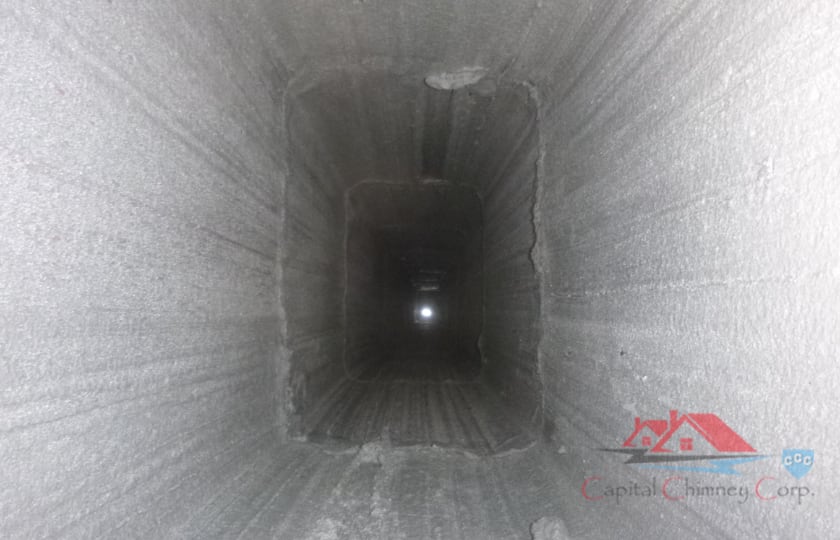

An unlined chimney can create serious safety concerns by allowing heat, smoke, and dangerous gases to escape through damaged masonry instead of venting outdoors. Homeowners in Villa Park, IL and throughout the Chicago area can prevent hazardous conditions before they become emergencies by knowing when chimney liner repair, chimney relining, or chimney liner installation is needed.
Why An Unlined Chimney Creates Hidden Safety Risks
Many older homes were built before modern building standards required chimney liners. Without a protective liner, combustion gases, excessive heat, moisture, and acidic byproducts directly attack the interior masonry, weakening the chimney over time while increasing the risk of carbon monoxide entering the home.
- Unsafe Venting: Exhaust gases may not travel efficiently outdoors.
- Accelerated Masonry Damage: Brick and mortar deteriorate faster.
- Higher Fire Risk: Excessive heat can ignite nearby combustible materials.
- Reduced Appliance Performance: Furnaces, fireplaces, and water heaters may draft improperly.
How Carbon Monoxide Can Enter Your Home
Carbon monoxide is a colorless and odorless gas produced whenever fuel burns. If a chimney cannot safely vent combustion gases because of cracks, missing liners, blockages, or chimney deterioration, carbon monoxide may leak into living spaces instead of exiting above the roof. Even small leaks can become dangerous when exposure continues over time, making professional chimney inspections an important part of home maintenance.
Recognizing Signs Your Chimney Is Leaking Carbon Monoxide
Homeowners should never assume a fireplace or heating appliance is operating safely simply because it appears to function normally. Signs your chimney is leaking carbon monoxide may involve both physical symptoms and noticeable changes around the fireplace or venting system.
- Frequent Headaches: Symptoms worsen while indoors.
- Dizziness Or Nausea: Multiple household members experience similar symptoms.
- Soot Around Fireplace Openings: Poor drafting may be occurring.
- Excessive Condensation: Moisture develops near windows or venting systems.
- Unusual Fireplace Odors: Persistent smoky smells indicate venting concerns.
- Carbon Monoxide Detector Alerts: Never ignore an activated detector.
Understanding The Connection Between Chimney Deterioration & Venting Problems
Every heating season exposes chimney masonry to moisture, freezing temperatures, acidic flue gases, and repeated expansion from heat. As chimney deterioration progresses, cracks widen, mortar joints weaken, and loose masonry creates additional pathways for combustion gases to escape before reaching the chimney top. Delaying repairs often results in more extensive restoration work and increased safety risks.
How Chimney Liner Installation Protects Your Home
A properly installed chimney liner forms a durable passage that safely directs smoke and combustion gases outdoors while shielding masonry from damaging heat and corrosive byproducts. Modern stainless steel liners are commonly recommended because they offer excellent durability, compatibility with many fuel types, and long service life. Proper sizing is equally important since an improperly sized liner may reduce drafting efficiency.
When Chimney Liner Repair May Be The Right Solution
Not every damaged chimney requires a complete replacement. In some situations, chimney liner repair can restore safe performance when damage is isolated and the remaining system remains structurally sound. A professional inspection determines whether repairs meet current safety standards or if full chimney liner installation provides better long term protection.
Comparing Repair & Replacement Options
Choosing between chimney liner repair and replacement depends on the chimney’s condition, appliance type, and long term goals.
- Minor Damage: Localized repairs may restore safe operation.
- Extensive Cracking: Chimney relining is often recommended to fully replace the damaged liner.
- Older Unlined Chimneys: New chimney liner installation provides modern protection.
- Appliance Upgrades: New heating equipment may require a properly sized liner.
Simple Ways Homeowners Can Reduce Carbon Monoxide Risk
Preventive chimney maintenance remains the most effective strategy for reducing carbon monoxide hazards. Combining annual inspections with timely repairs helps identify developing issues before they become major safety concerns.
- Schedule Annual Chimney Inspections
- Install Carbon Monoxide Detectors On Every Level
- Keep Chimney Caps In Good Condition
- Repair Masonry Damage Promptly
- Have Heating Appliances Professionally Serviced
- Address Drafting Problems Immediately
Protect Your Home With Professional Chimney Care
Addressing an unlined chimney before significant chimney deterioration occurs is one of the smartest investments homeowners can make. Whether your home requires chimney liner repair, complete chimney liner installation, or a detailed inspection, our experienced team at Capital Chimney Corp. helps homeowners throughout Villa Park, IL and the greater Chicago area improve chimney safety, reduce carbon monoxide risks, and extend the life of their chimney system with dependable professional service.