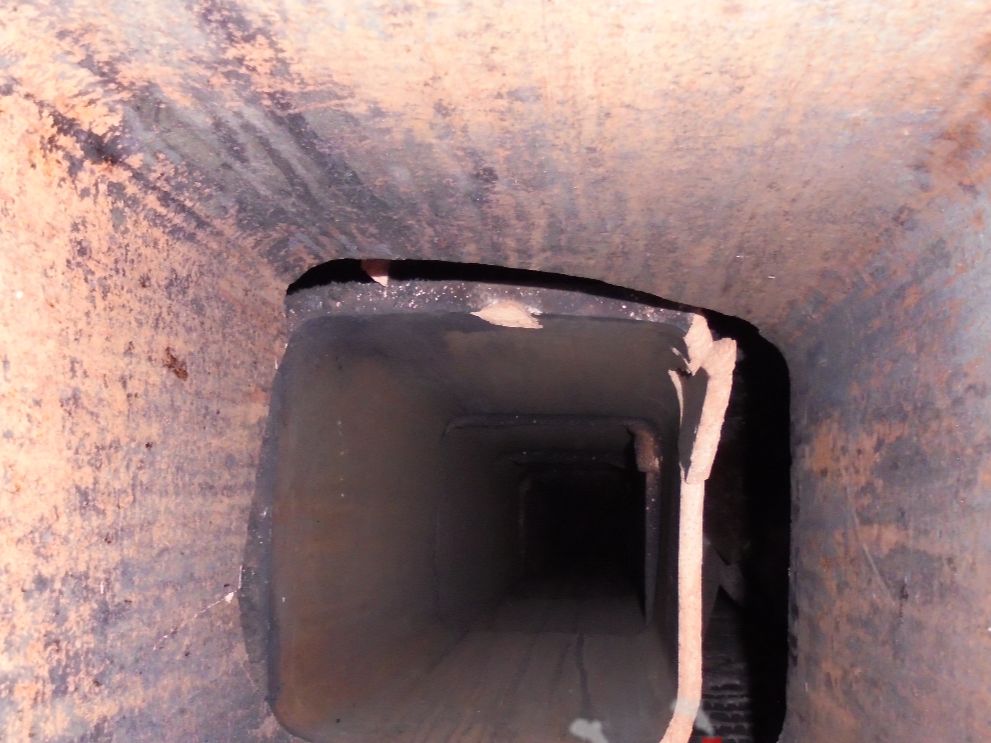

Most modern chimneys are required to have a properly functioning chimney liner because it acts as a protective barrier between high heat, corrosive exhaust gases, and your home’s structure. Over time, normal fireplace use, moisture exposure, and temperature changes can cause liners to crack, deteriorate, or separate at the joints. When this happens, the risks to your home and health increase significantly. A damaged chimney liner, also called a flue liner, can allow heat, smoke, and dangerous gases to escape into your home.
- Fire Hazards Caused By Chimney Liner Damage
- Carbon Monoxide Leaks & Other Health Concerns
- Masonry Damage From A Failing Liner
- Water Leaks & Subsequent Home Damage
- Energy Inefficiency
1. Fire Hazard Caused By Chimney Liner Damage
A malfunctioning chimney liner can lead to increased risk of house fires by allowing excessive heat to escape into surrounding combustible materials, including wood framing and drywall. Even small gaps in the liner can expose surrounding materials to temperatures far beyond what they are designed to withstand. Understanding how liners contribute to fire prevention is crucial:
- Heat Resistance: Keeps extreme heat contained and away from nearby materials.
- Soot & Creosote Buildup: Damage allows flammable buildup to increase inside the chimney.
- Blockage Risks: Cracks and debris can trap hot gases and embers.
2. Carbon Monoxide Leaks & Other Health Concerns
Properly maintained liners support optimal ventilation, reducing carbon monoxide risks. Ensuring your chimney liner is intact is essential for preventing carbon monoxide leaks, a gas that poses serious health dangers. A degraded liner can allow this odorless gas to seep into your home. Leaks can cause symptoms like dizziness and nausea and may lead to more severe health issues.
3. Masonry Damage From A Failing Liner
Weakened chimney liners allow moisture and smoke to penetrate the masonry, leading to staining, brick deterioration, and gradual erosion of mortar over time. Continuous exposure to water, heat, and exhaust gases weakens the chimney’s structure, increasing the risk of cracks and long-term structural problems.
- Brick Deterioration: Moisture and acidic exhaust can break down brick surfaces.
- Mortar Erosion: Crumbling mortar weakens the overall chimney structure.
- Visible Cracks: Ongoing stress and moisture can lead to cracking in bricks and joints.
4. Water Leaks & Subsequent Home Damage
While chimney caps and flashing are the primary defenses against rainwater, a damaged chimney liner can worsen moisture problems by allowing condensation and corrosive byproducts to soak into surrounding materials. Over time, this moisture can contribute to mold growth, staining, and structural damage to walls and ceilings near the chimney.
5. Energy Inefficiency
When your Chicago home has a deteriorated chimney liner, airflow and draft suffer, allowing heat to escape and reducing how well your fireplace heats your home. This inefficiency can significantly drive up your energy expenses, particularly during the cold Chicago winters when fireplace use is at its peak.
Ensure Your Chimney Is Safe With Chicago Chimney Liner Repair
A well-maintained chimney liner is essential for safeguarding your home from fire hazards, carbon monoxide leaks, and structural damage. Prioritize repairs to preserve your home’s integrity and the safety of your family. For those in Chicago, Capital Chimney Corp. provides expert chimney liner repair and chimney inspection services designed to keep your home protected and efficient. Ensure your peace of mind by addressing chimney liner issues today.